Open 24/7, Monday to Sunday | Serving Washington since 2015(540) 734-5832
Seraphina Dumpster RentalDumpster Rental Washington, VA
Dumpster Rental Washington, VA

Local debris service

Dumpster Rental Washington, VA

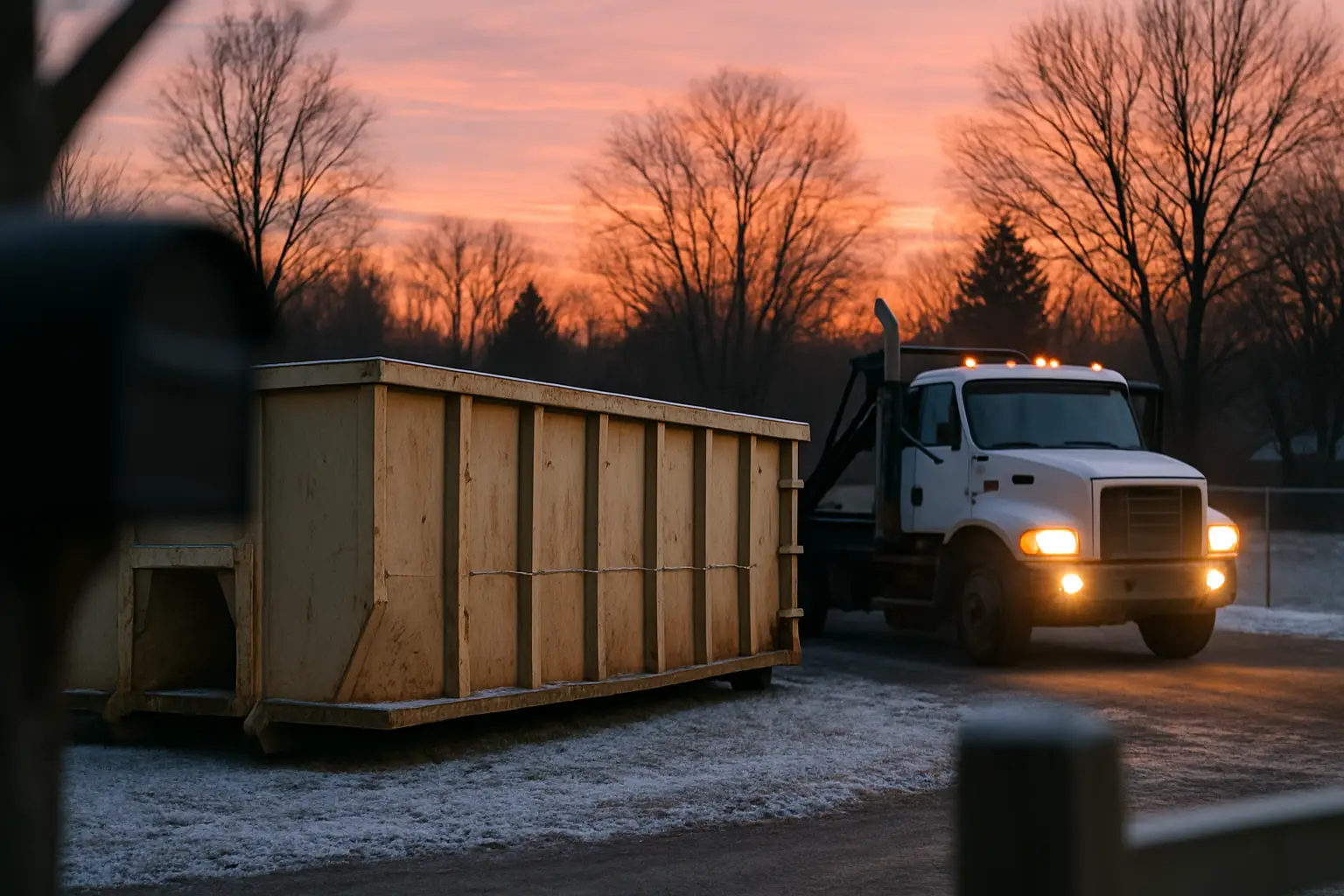
Seraphina Dumpster Rental confirms container placement and pickup windows, with photo records available for the job file.

Dumpster Rental Washington, VA gives homeowners, contractors, and businesses a practical way to control debris during a cleanout or build. Seraphina Dumpster Rental helps choose the right container, checks the placement area, and coordinates pickup around the work instead of guessing from a driveway photo.

  • Licensed, bonded and insured
  • Serving since 2015
  • 24/7, Monday to Sunday
  • 4189 + containers delivered
  • Serving Rappahannock County

Local operating knowledge

Washington jobs need more than a container

Seraphina Dumpster Rental has served the Washington area since 2015, handling the practical details that determine whether a container works well at a property. Rappahannock County roads can narrow quickly outside the central village, and older homes may have tight approaches, low branches, stone walls, or driveways that do not suit a large truck. We discuss the debris, the ground, the route, and the intended placement before scheduling. Licensed, bonded and insured, our crew delivers containers for home cleanouts, renovations, roofing work, moving projects, and commercial disposal needs.

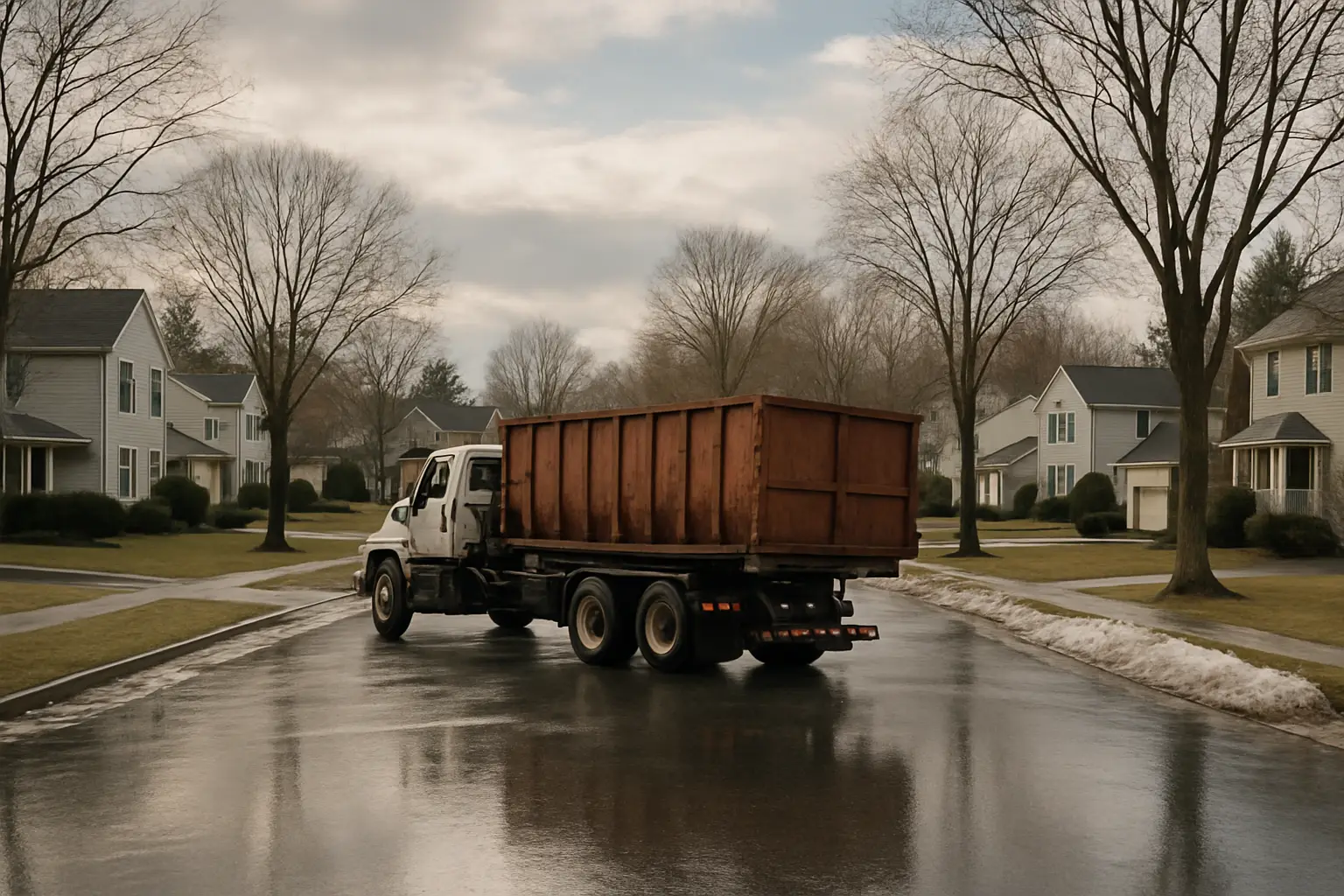
A container is not useful if the truck cannot reach it or if the load exceeds the container's safe working limits. Seraphina Dumpster Rental uses photo-confirmed placement and pickup windows for every container, giving the job a clear record of where equipment was set and when removal was arranged. That extra check matters on sloped driveways, shared lanes, and properties where another trade needs access. The business has delivered 4189 + containers, while still treating each Washington property as a separate access and loading problem.
Project-ready options

Dumpster Rental Washington, VA for real job types

The right container depends on debris volume, material weight, loading method, and available ground. These common job types help narrow the conversation before the truck is assigned.

  • Home Cleanout Dumpsters

    A home cleanout often includes furniture, boxes, damaged household goods, and mixed debris. We discuss room count, stairs, driveway width, and whether heavy material is involved so the container is not chosen by guesswork. A smaller unit may suit a partial cleanout, while a full property needs more working room.

    Household projects
  • Garage and Attic Cleanouts

    Garages and attics create awkward loads because bulky items compete with loose boxes and shelving. Plan the placement close enough for carrying distance without blocking the main work area. We help separate dense materials from ordinary household debris before recommending a size that can be loaded safely.

    Storage clearing
  • Moving and Downsizing Dumpsters

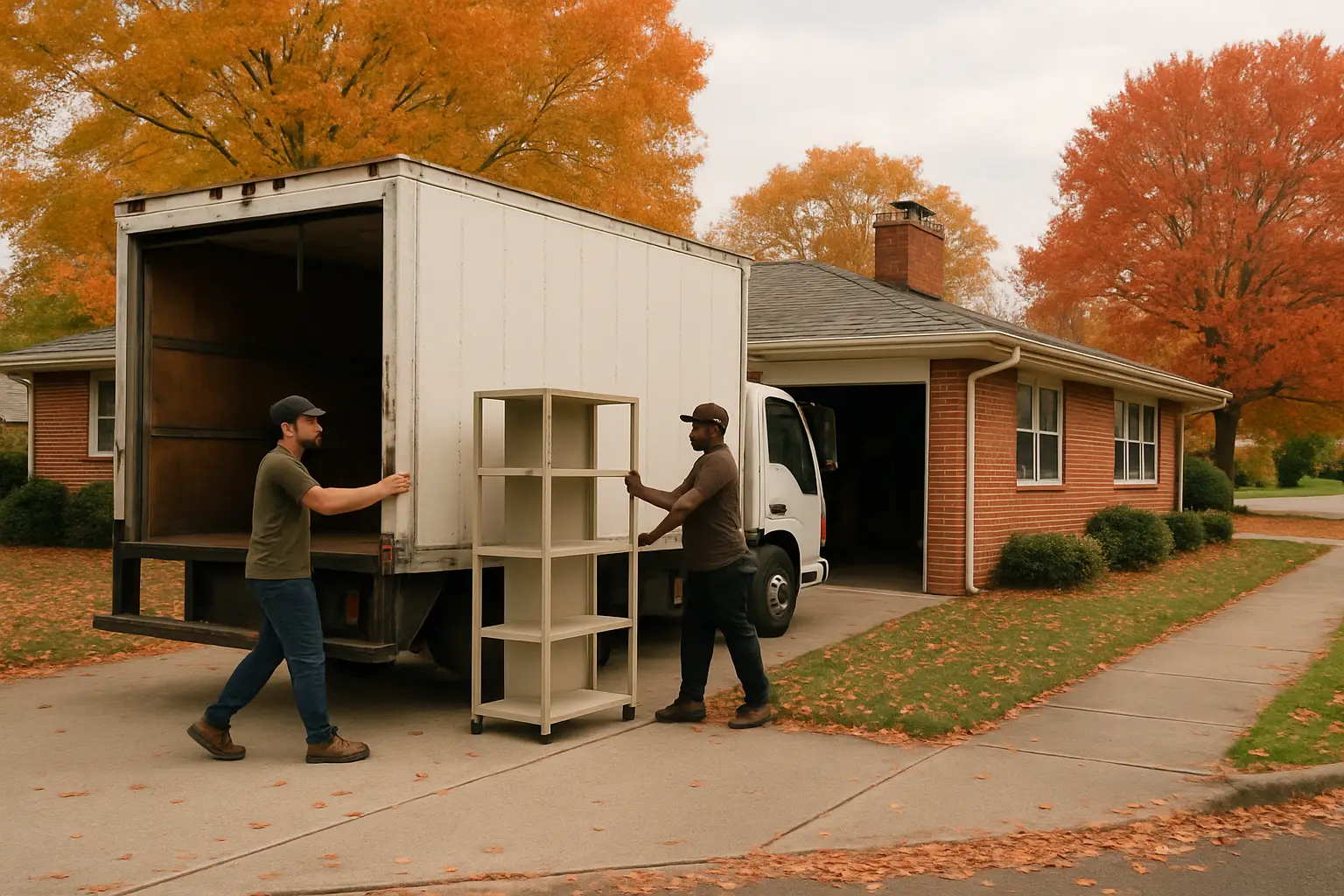
    Moving and downsizing projects generate a changing mix of furniture, damaged possessions, packing material, and renovation leftovers. A container can sit near the loading route while the property is sorted. Tell us about stairs, shared driveways, and the likely heaviest items so access and capacity are considered together.

    Move-out debris
  • Roofing Debris Dumpsters

    Roofing debris is dense, sharp, and harder to distribute than ordinary household waste. Shingles should be loaded evenly, with attention to the container's fill line and the surface underneath. We discuss roof area, tear-off material, driveway clearance, and the roofer's staging plan before delivery.

    Roof replacement
  • Yard Waste Dumpsters

    Storm cleanup, brush removal, and landscape work can create a large but uneven load. Soil, rocks, treated lumber, and ordinary branches may have different disposal requirements, so describe the material rather than calling it all yard waste. Keep limbs manageable and leave room for safe truck placement.

    Outdoor cleanup
  • Construction and Renovation Dumpsters

    Renovation debris may include drywall, flooring, cabinets, masonry, framing, and packaging. Weight can become the limiting factor before the container looks full. We match the unit to the demolition plan, loading sequence, and access for trades working around Washington homes and commercial properties.

    Build-site debris
  • Same-Day Emergency Dumpster Delivery

    Storm damage, a failed renovation plan, or an urgent property cleanout may require immediate scheduling review. Same-day delivery depends on equipment, route, access, and the material involved, so it cannot be promised before those details are checked. Have the placement address and debris description ready for a direct answer.

    Urgent cleanup
  • Commercial Jobsite Dumpsters

    Commercial work benefits from a container plan that accounts for employees, deliveries, customer access, and changing debris volume. We discuss placement away from entrances and turning areas, then coordinate pickup around the active site. Public-street placement may require local permission before equipment arrives.

    Business projects
  • Recurring Business Waste Containers

    Businesses with ongoing disposal needs may need a repeat schedule rather than a single project container. We review material type, loading habits, available service area, and pickup access before setting expectations. A consistent placement record helps staff and drivers handle each exchange with fewer surprises.

    Ongoing disposal

Additional cleanup help

Choose the service that matches the material

How scheduling works

A Washington delivery starts with access details

  1. Describe the project

    Start with the address, project type, debris materials, and expected loading period. Mention roofing, concrete, soil, appliances, or other dense items because weight can change the recommendation even when the pile does not look large.

  2. Review the placement

    We discuss where the container can sit and what the truck must cross to reach it. Driveway width, slope, overhead branches, soft ground, stone edges, gates, and shared access all matter in Washington and nearby rural approaches.

  3. Choose a workable tier

    The selected tier should leave enough room for the debris without encouraging an unsafe overfill. If a smaller container fits the job, we will say so. If the material is too dense, the plan needs to change before delivery.

  4. Confirm the delivery window

    Scheduling covers the placement area, access instructions, and the expected pickup window. Photo-confirmed placement and pickup windows create a practical record for the property owner, contractor, and driver, especially when several trades share the site.

  5. Load and arrange pickup

    Load evenly, keep prohibited or uncertain materials separate, and stay below the fill line. When the project is ready for removal, the pickup arrangement is reviewed against access conditions so the driver can retrieve the container without avoidable obstruction.

Why local details matter

Seraphina Dumpster Rental checks the parts that fail

  1. Placement is treated as a job decision

    A container cannot simply be dropped wherever the pile is closest. We consider truck approach, turning room, overhead clearance, pavement condition, slope, and the need to keep doors or lanes usable. Washington properties range from compact village lots to country approaches, so a placement that works at one address may be wrong at another. The goal is a usable loading position, not just an empty patch of ground.

  2. Material weight changes the recommendation

    A container filled with shingles, masonry, soil, or wet debris behaves differently from one filled with boxes and light household goods. The visible pile can mislead a homeowner into selecting too small a unit or loading dense material too high. We ask what is being removed and how it will be loaded, then explain when a different tier or disposal arrangement makes more sense. Paying for excess space is not always necessary.

  3. The record stays tied to the property

    Photo-confirmed placement and pickup windows for every container give the job a clear reference point. That helps when a driveway is shared, a contractor leaves before pickup, or the property owner needs to remember where equipment was placed. It also prompts a useful access check before delivery. Seraphina Dumpster Rental has delivered 4189 + containers, but the work still depends on the exact address, route, surface, and material.

Working standards

What careful dumpster service includes

  • Every delivery starts with a review of debris type, access, and intended placement.
  • Drivers need firm ground, overhead clearance, and enough room to approach safely.
  • Dense materials require honest discussion because weight can limit a container before volume does.
  • Keep the load below the fill line so tarping, transport, and pickup remain practical.
  • Public-street placement usually requires town permission before the container arrives.
  • Photographs document placement and help resolve access questions during the project.
  • Scheduling is available 24/7, Monday to Sunday, around active project needs.
  • Uncertain materials should be identified before loading so disposal instructions are clear.

Placement planning

Where a container can sit in Washington

In Washington, the best container position is usually a firm driveway or private parking area with a straight approach, not the closest point to the debris pile. The truck needs enough width to enter, space to align, and overhead clearance from branches, wires, and building projections. Sloped drives, soft shoulders, stone walls, narrow lanes, and shared access can change the plan. A public street usually needs town permission first, and the answer can depend on the exact location. Do not assume a lawn is safer than pavement because wet ground can rut under equipment. Tell us whether the property is near the village center, along a rural approach, or behind a gate so placement can be assessed honestly.

Before delivery, move vehicles, trailers, loose tools, and parked equipment from the intended path. Keep gates open if the truck must pass through them, and identify septic areas, drainage edges, buried features, or low branches that should be avoided. On older Washington properties, a driveway may narrow near the house or turn beside a stone boundary, leaving less room than the street view suggests. A container also needs working clearance for loading, not merely a spot where it can physically rest. If a contractor, neighbor, or landlord shares the access route, include that detail during scheduling. The placement record should match the actual ground conditions, and pickup requires the same clear route as delivery.

Container placement depends on firm ground, approach width, overhead clearance, and room to retrieve the equipment.

Public-street placement usually needs town permission before scheduling is finalized.

Remove vehicles and identify gates, branches, septic areas, and shared access before delivery.

Size and material

How Washington homes affect size choices

Washington's housing mix changes how debris accumulates. Older homes may produce plaster, lath, dimensional lumber, masonry, cabinets, and heavier flooring during renovation, while newer houses may generate drywall, packaging, trim, and manufactured materials. A farmhouse or larger detached property can create a broad cleanout load, but a compact village home may have less driveway room for a large unit. The visible volume is only part of the decision. Roofing material, tile, brick, concrete, soil, and wet debris add weight quickly, so a container can reach its practical limit before it looks full. Describe both the amount and the material, especially when demolition is involved.

For a light household cleanout, the working limit may be space. For a bathroom remodel or roof replacement, weight and loading method deserve equal attention. Break down bulky items when safe, distribute material rather than building a mound on one side, and keep dense debris within the guidance provided during scheduling. A larger container is not automatically better if the approach is tight or the load is heavy. Conversely, choosing a small unit for a full renovation can create extra handling and another pickup. We can explain the tradeoff between tier, access, project duration, and material before delivery. The honest recommendation may be a smaller container, a different loading plan, or another service for part of the work.

Older construction can produce dense plaster, lath, masonry, flooring, and lumber that change the weight calculation.

Compact village driveways may favor a smaller tier even when the renovation is substantial.

Describe roofing, concrete, soil, tile, and wet debris before choosing a container size.

Common questions

Answers before you schedule a container

What size dumpster do I need in Washington?

The right size depends on debris volume, material weight, loading method, and available placement space. A 10 Yard container may suit a small bathroom remodel or limited cleanout, while larger renovation, roofing, moving, or construction work may need more room. Washington properties with tight drives may require a smaller practical tier. Prepare the project type, material list, driveway details, and estimated loading period so the recommendation reflects the actual job.

Can a dumpster go on my street in Washington?

A container can sometimes sit on a public street, but town permission may be required before placement, and the exact location matters. Private driveways are usually simpler when they provide firm ground, approach clearance, and room for pickup. Washington streets and narrow rural approaches can create different access questions. Have the address, street location, and nearby signs, curbs, or traffic concerns ready before scheduling.

What should I do before dumpster delivery?

Clear vehicles, trailers, tools, branches, and other obstructions from the planned route and placement area. Confirm that the ground is firm, gates can open, and the truck will not cross a septic area or drainage edge. Washington weather can soften unpaved ground after rain or thaw. Measure the approach, tell us about slopes and wires, and keep the pickup path clear throughout the project.

Can I put roofing shingles in a dumpster?

Roofing shingles can often be loaded in a dumpster, but they are dense and may reach a practical weight limit before the container is full. Load them evenly, keep the material below the fill line, and mention tear-off debris before choosing a tier. Older Washington roofs may include wood, felt, flashing, or other mixed materials. Separate uncertain items and provide the roof material and estimated area during scheduling.

How long can I keep a dumpster?

The usable period depends on equipment availability, the project schedule, access, and the pickup arrangement discussed when the container is scheduled. Do not assume an open-ended rental if another trade or property owner needs the space. Washington projects can pause during wet weather or winter conditions, so explain the expected loading period early. Have the planned start, likely completion, and any access restrictions ready for review.

Can you deliver a dumpster to a narrow driveway?

Possibly, if the truck can approach, align, and leave without unsafe clearance or damage to the property. Width, slope, gates, overhead branches, parked vehicles, stone walls, and soft shoulders all affect the answer. Older Washington homes often have tighter approaches than their street frontage suggests. Describe the route, provide placement photographs when available, and remove vehicles before the delivery window.

What materials should I mention before renting?

Mention roofing, concrete, brick, soil, tile, plaster, wet debris, appliances, treated materials, and anything that may need special handling before renting. Dense or uncertain materials can change the appropriate tier and loading plan. Ordinary household debris is not the same as demolition waste. Prepare a plain list of what will be loaded, including the heaviest material, so the container recommendation is based on more than pile size.

Is dumpster service available every day?

Seraphina Dumpster Rental is available 24/7, Monday to Sunday, for scheduling discussions and project coordination. Availability does not guarantee an immediate arrival because equipment, route, access, and placement still need to be checked. Washington weather and rural road conditions can affect delivery planning. Have the address, desired placement, debris type, and preferred project window ready when you speak with the scheduling team.

Plan the job

Give us the details that affect delivery

Seraphina Dumpster Rental can review your Washington project, recommend a workable tier, and discuss placement before equipment is assigned. The conversation covers access, material, timing, and pickup conditions, including questions about narrow drives, public streets, shared lanes, and renovation debris.

Phone

(540) 734-5832

The call covers project material, container size, placement, access, scheduling, and pickup expectations.

Availability

24/7
Monday to Sunday, day and night

Have this ready

  • Project address
  • Debris materials
  • Placement area
  • Preferred loading period

Where we work

Washington, plus Madison, Luray, Culpeper, Front Royal, Warrenton, Marshall, The Plains, Remington, Orange and Stanley.

See the full service area list

A better container plan starts at the property

Tell Seraphina Dumpster Rental what you are removing, where the container must sit, and what the truck will encounter on the route. Straight answers about access and material prevent an expensive mismatch.

Click Here to Call(540) 734-5832

Local service area

Washington service with nearby route knowledge

Seraphina Dumpster Rental focuses this home page on Washington and the surrounding Rappahannock County area, while scheduling also reaches Madison, Luray, Culpeper, Front Royal, Warrenton, Marshall, The Plains, Remington, Orange, and Stanley. Route conditions, placement, and material still need to be reviewed for every address rather than assumed from the town name alone.

Washington village centerWater Street districtMain Street corridorRappahannock County rural roads

Dumpster Rental in nearby towns

Click Here to Call(540) 734-5832